
Category

Industry News

British Growers News Update: Covid 19

By Company News, Industry News

Support during the Coronavirus outbreak – CBILS and farming businesses


Background

On the 3rd April the Government announced extensions to the Coronavirus Business Interruption Loan Scheme (CBILS), which was originally launched on the 23rd March as part of a package of measures to support businesses hit by Coronavirus. This means that all viable small businesses affected by Coronavirus, and not just those viable businesses unable to secure regular commercial financing, will now be eligible if the lender believes they will need finance to see them through these unprecedented times. This means many more farming businesses are now eligible to take part in the scheme.

 What is the Coronavirus Business Interruption Loan Scheme?

The Coronavirus Business Interruption Loan Scheme (CBILS) supports viable small and medium-sized businesses experiencing difficulties as a result of the coronavirus outbreak to access finance, if external finance is the right answer.

The scheme helps all viable UK-based businesses with an annual turnover of up to £45 million, to access loans, overdrafts, invoice finance and asset finance of up to £5 million for up to 6 years.

The government will also make a Business Interruption Payment (BIP) to cover the first 12 months of interest payments and any lender-levied fees. This means smaller businesses will benefit from no upfront costs and lower initial repayments.

By providing an 80% government guarantee on eligible lending, this scheme gives over 40 lenders the confidence to keep lending to viable businesses that have been affected by the Coronavirus outbreak but are facing significant cash-flow difficulties in the short-term.

No lender can take a personal guarantee for a loan of less than £250,000 that is supported by the CBILS.

Over 40 accredited lenders provide loans supported by the scheme, including all the major banks.

Farming businesses

The agricultural sector has the same eligibility criteria as all of the other sectors within the CBILS eligibility criteria. An SME operating within the agricultural sector does not have to prove their eligibility in any different way to an SME operating in other sectors e.g. retail or manufacturing.

The maximum value of lending that can be delivered to an SME operating in the agricultural sector is the same as for any other sector i.e. £5m up to 6 years for term loans and asset finance, and 3 years for revolving credit and invoice finance.

The only difference relates to the level of the BIP (to cover the first 12 months of interest payments and any lender-levied fees) an agricultural SME can receive; this is restricted to a maximum of €100,000.

Do any other payments received reduce the amount of BIP that can be offered to farm businesses through CBILS?

Certain payments you receive may count towards the amount of BIP. In this instance, these payments are made under the Temporary Framework for State aid measures to support the economy in the current Coronavirus outbreak. Other payments such as the Basic Payments Scheme, the Rural Development Programme for England, or those received as Agricultural de-minimis will not affect the value of BIP that can be made.

How do farm businesses apply for a CBILS loan?

In the first instance farming businesses should contact their usual finance provider. Following expansion of the scheme farming businesses should consider re-contacting their lender if they have previously been unsuccessful in securing finance, as they may now be eligible. Businesses may also consider approaching one of the other 40 accredited lenders if they have been unable to access the finance they need through their own bank.

UK Finance have issued a statement on behalf of the sector which announced that banks, building societies and credit card providers are committed to supporting their business customers in continuing to trade, and would encourage businesses to speak to their lender if they need finance.

What about larger businesses?

The new Coronavirus Large Business Interruption Loan Scheme (CLBILS) will provide a government guarantee of 80% to enable banks to make loans of up to £25 million to firms with an annual turnover of between £45 million and £250 million. For firms with a turnover of more than £250 million the maximum loan is £50 million.

This will give banks the confidence to lend to more businesses which are impacted by coronavirus but which they would not lend to without CLBILS. Loans backed by a guarantee under CLBILS will be offered at commercial rates of interest.

Bounce Back Loan

The Bounce Back Loan scheme will launch on the 4th May 2020 and will help small and medium sized businesses to borrow between £2,000 and £50,000. The government will guarantee 100% of the loan and there won’t be any fees or interest to pay for the first 12 months.

Loan terms will be up to 6 years with no repayments due during the first 12 months. The government will work with lenders to agree a low rate of interest for the remaining period of the loan. The scheme will be delivered through a network of accredited lenders. We will circulate further details about the scheme as they become available.

For further information visit GOV.UK or email agritrade@defra.gov.uk.


Government recovery strategy

A recent unofficial report suggests that seven guidance documents have been drawn up by cabinet office minister Michael Gove and business secretary Alok Sharma, and these will form the basis for the government’s proposals to get people back to work in the coming weeks. The documents cover workers in seven different settings: hotel and restaurant staff; those who work in other people’s homes; factory workers; people working outdoors; people working in vehicles; shop workers; and office workers.

Businesses with more than five employees must produce a written risk assessment of working conditions for their staff if they wish to reopen during the pandemic. But even after the first relaxation of some lockdown measures, expected to be announced by Boris Johnson on Sunday, it will remain the case that those who can work from home must continue to do so.


Important announcement on changes to the deadline for the BPS scheme

2020 claim deadline extended to 15 June 2020

The government has confirmed that the deadline for 2020 Basic Payment Scheme (BPS) applications, Countryside Stewardship (CS) revenue claims, Environmental Stewardship (ES) claims, and woodland legacy revenue claims, without penalty, is extended by one month to midnight on 15 June 2020, in recognition of the disruption caused by coronavirus (COVID-19).

The period for making amendments without penalty is extended to midnight on 30 June 2020.

The final deadline, with penalty, is extended to midnight on 10 July 2020.


Seasonal Workers update

Pick for Britain website has launched. The website is a joint public sector and industry initiative to bring together those who are looking for work on UK farms over the harvest period with recruiters who have roles to fill. The website will act as a central hub to signpost people to the jobs available and to provide information about this type of work.


Important announcement for RPA inspections

The RPA have been looking at ways of moving forward in relation to claims inspections whilst the current Government restrictions are in place. As all inspections visits to customers’ own premises have been cancelled, the RPA and DEFRA have put in place a number of options to complete the inspections remotely.

The options are: –

  • PO’s email documents to their RPA inspector.
  • Where documents cannot be emailed, the PO should contact their inspector for an address to post the documentation either by tracked post or with a reputable courier.
  • Where there are specific systems such as payroll, which cannot be downloaded, the RPA can view these remotely with the PO via Microsoft Teams.
  • Provide the inspector with access to your PO’s cloud through they could view data normally seen on site

As a last resort, the RPA will consider a limited inspection visit with full social distancing.

It is important to note that all these options apply to both annual 2019 claims where inspections were not completed prior to the lockdown as well as any arrears/interim claims for the 2020 operational programmes.
British Growers News Update: Covid 19

By Company News, Industry News

Testing

Testing for COVID-19 is being extended to include additional frontline workers who are symptomatic, and members of their household who are symptomatic. This will allow frontline workers to return to work if they, or members of their household, test negative for coronavirus.

The definition of front-line workers includes the following

Critical personnel in the production and distribution of food, drink and essential goods, including those involved in food production, processing, distribution, sale and deliver.

There will be two testing options:

Testing at one of the national drive-through centres which are currently being expanded in capacity and location; and

Home testing kits for those employees unable to travel to testing centres which will be delivered via Amazon courier.

Please note that these arrangements currently only relate to testing in England and we are seeking clarity on Scotland and Wales. Follow the link for further information .


Pick for Britain

After the soft launch of the pick for Britain campaign, the Secretary of State has officially launched

the scheme. We have attached the official communication from George Eustice for information.

Further details about the scheme can be found at the site


 Industry guidance

AHDB have been working on several hubs, collating the relevant government guidance for growers to refer to:

Coronavirus: advice for farmers and growers (section on seasonal labour for horticulture)

Best practices to avoid the spread of coronavirus for seasonal workers on fruit and vegetable farms


PPE in the food sector

We are working closely with the Food and Drink Federation on a range of food industry related issues. One of these is the availability of PPE. The FDF has set up a small working group to look at PPE issues as they affect the food sector. This is a short summary of the position to date:

Maintaining food production needs PPE

During this crisis there has been a significant increase in demand for PPE that has led to availability issues in food sectors

Healthcare sectors must be the national priority for PPE provision, but there is a clear policy and political argument that food production, as an essential sector supporting the national effort, is worthy of PPE prioritisation

are asking government colleagues and politicians to prioritise availability of PPE for essential roles in the food sector

The food sectors listed below collectively need around 200,000 FFP2/FFP3 face masks every week for regular jobs within their supply chains

We are committed to working with and supporting the PPE manufacture and distribution supply chain and recognise their efforts to assist food production

Letter from M&S                                                      

We have received the attached letter from Stuart Machin M&S Managing Director for Food, addressed to Minette Batters President of the NFU and agreed to circulate it with this newsletter.


Stay safe in these difficult times.


British Growers Team


British Growers News Update: Covid-19 Farm Safety Guidance

By Industry News

Latest guidance from PHE for on farm situations.

British Growers would like to make you aware that further guidance from Public Health England (PHE) has been released on the Government Website which provides more specific guidance for ‘on farm situations’. The following is a brief extract of the advice. Please refer to the links below for the full text.

The Government website states that

During this time of unprecedented disruption, the UK Government is not asking all businesses to shut – indeed it is important for business to carry on.

The main guidance from PHE continues to be that all employees should be encouraged to work from home unless it is impossible for them to do so. Not everyone can work from home: certain jobs require people to travel to, from and for their work.

The guidance released 08.04.2020 is specifically aimed at outdoor businesses, which include farms, and covers instances where social distancing cannot be achieved:

  • If a 2-metre distance cannot be maintained, staff should work side by side, or facing away from each other, rather than face to face if possible.
  • where face-to-face contact is essential, this should be kept to 15 minutes or less wherever possible
  • If workers have to share enclosed spaces such as the cabs of vehicles, they should keep the window open for ventilation and they should be careful to avoid touching their face at all times. On leaving the enclosed space, they should wash their hands with soap and water for 20 seconds or more or use hand sanitiser when they cannot wash their hands.
  • as much as possible, keep teams of workers together, “cohorting”, and keep teams as small as possible. Where possible, fixing these cohorts so that where contact is unavoidable, this happens between the same individuals


A link to guidance can be found here.


Additional guidance available here, also released 08.04.2020 relates to food processing plants:

Food safety practices in food processing plants should continue to be delivered to the highest hygiene standards including the use of some personal protective equipment and frequent hand washing.

Food hygiene guidance: A Food Safety Management System (FSMS) that includes existing food hygiene guidance and HACCP processes should be followed.

All employers are expected to follow social distancing guidance, including food businesses, as far as is reasonably possible. Where the production environment makes it difficult to do so, employers should consider what measures may be put in place to protect employees. Once staff have left the food processing areas and removed protective clothing, social distancing and further hand washing guidance should be adhered to.


It is likely that as understanding of Covid-19 increase the guidance will continue to be updated. We will keep you informed of any additional information. Please not that this document is not advice given by British Growers Association Limited but comprises extracts of PHE guidance.


Stay safe in these difficult times.


British Growers Team


British Growers News Update: Covid-19

By Industry News

These are unprecedented times. There are some parallels with the Foot and Mouth crisis in 2001 but multiplied up by a factor of 100. We all recognise that in short space of time the world has become a very different place. And we now face the challenge of learning to adapt in a new and alien environment.

The last few days has raised a multitude of questions, most of which have not been asked before and have no quick and obvious answers. Our aim here are British Growers is to use our extensive network of contacts to raise issues and find solutions. Some solutions may be immediate, and others may take time.  What’s clear from working through the last few days is the there is terrific intent to help and support, but the delivery of specific outcomes may take a little longer.

Recognition of the Importance of Food 

Ironically 4 weeks ago we wondered if the UK was serious about maintaining a food industry. The immigration rules were set to decimate access to the traditional sources of seasonal labour and free trade agreements and the removal of tariff protection were posing a threat to both standards and prices.  Fast forward 4 weeks and how different things look.

Key Workers

This is the definition of key workers:

Food and other necessary goods This includes those involved in food production, processing, distribution, sale and delivery, as well as those essential to the provision of other key goods (for example hygienic and veterinary medicines).

We have been asked by several individuals how far this definition extends up and down the supply chain. Each case needs to be considered on its merits. The movement of people is key in bringing the virus under control and increasingly the focus is fewer people moving rather than more.

Letters confirming key worker status

We have been approached by several organisations asking for help with letters of confirmation for key workers. We now have a template letter, kindly provided by the Food and Drink Federation, which we can supply together with a British Grower logo and the relevant crop association logo.

Covid-19 – Guidance for Food Business 

Public Health England released its advice for food businesses on 25 March. Here is the link to their site. https://www.gov.uk/government/publications/covid-19-guidance-for-food-businesses The document contains useful advice on managing social distancing in the workplace, although doesn’t deal with some of the more specific situations found on farm.

Access to Labour 

There is no doubt that the issue of labour is being taken extremely seriously within Government. Everyone now understands the connection between labour and the continuity of food supplies. There are no easy solutions here.

 But no effort is being spared in exploring options and looking for solutions to ease the problems as we move further into the fresh produce season. Expect to see further announcements on labour in the near future.

ProduceView

Our weekly update on retail prices has had to be adapted to operate in the present circumstances.  We have ceased our weekly visits to stores and for the foreseeable future we will be using data gathered from individual retailer sites. Not every retailer has an online operation but looking at the list that do, the data will cover a significant percentage of the grocery sector.   If anyone did their own in-store price checking and wants to keep in touch with weekly in store pricing, please get in touch and we can set you up on the system.

Fruit and Veg Alliance 

Through our position on the Fruit and Veg Alliance we are pulling together a list of box schemes and other local/ national outlets supplying consumers to their door throughout the UK and using locally grown fresh produce.  Being realistic, these outlets are not going to make up for the loss of major food service contracts but may offer a route to market for smaller quantities of produce. As one of our major customers for fresh produce says – every little bit helps.  Details are available on the British Growers website.

Morrisons

We have been working with Morrisons and our Asparagus Growers offering them an opportunity for locally grown British Asparagus to be available in Morrisons stores, supplying on a direct to store delivery basis.  These local lines replace their ‘national’ British Asparagus in those stores for the growing season.  Last year proved successful and this year more growers are signing up for their locally grown Asparagus to be sold in stores around the country.  This is the perfect opportunity to showcase not only what an amazing product Asparagus is, but also to highlight the locally grown credentials.  British Growers is working with Morrisons to expand this scheme to other crop sectors.

Turfgrass 

Business operating in the turf industry currently sit outside the current guidelines on key workers because they don’t fit the definition of producing food. But as with ornamental and amenity growers, they are a key part of the agricultural industry. There was some confusion after the Prime Minister’s announcement on Monday 23 March about turf farms being forced to close. Until any further changes are announced, the current guidance has reassured members that they can continue to trade providing that social distancing guidance is being adhered to.

We have also been provided with the following guidance from the Department for Digital, Culture, Media and Sport (DCMS): “For security and essential maintenance reasons greens staff can still attend work.”

POs (Producer Organisations)

There are concerns from POs about receipt of payments (both the balance of payments for the 2019 scheme year and interim payments for 2020) given that no physical inspections can be carried out. We have been in touch with Defra and the advice is to continue to submit claims as normal and they will do their best to operate the system in the light of the current constraints. We are working with Defra to see what other measures can be taken to help POs. This includes actions that the UK can take unilaterally, as well as amendments/easements at an EU level (legislation, etc). There will probably be more to report as the days progress, and we all have a better understanding of how best to operate in these changed circumstances.


Stay safe in these difficult times.

British Growers Team

To Download this newsletter, please click here 200326 British Growers newsletter

Labour & Immigration 2020

By Industry News

Labour and Immigration

Summary

On 19 February 2020, the Government announced that from 1 January 2021, the free movement of labour will end and be replaced with the UK’s new points-based immigration system. The new system is designed to provide access to the UK for the most highly skilled workers, skilled workers, students and a range of other specialist work routes. All migrants looking to enter the UK to work or study will need to apply for permission in advance, irrespective of whether they are within the EU or outside the EU.

The mandate

In making the announcement, the Home Secretary Priti Patel said:

Today is a historic moment for the whole country.

We’re ending free movement, taking back control of our borders and delivering on the people’s priorities by introducing a new UK points-based immigration system, which will bring overall migration numbers down.

We will attract the brightest and the best from around the globe, boosting the economy and our communities, and unleash this country’s full potential.

Future requirements

Under the new points threshold system, workers wanting to enter the UK will need to meet several key criteria, including specific skills and the ability to speak English. All applicants will need to have a job offer and a minimum salary of £25,600 (the figure recommended by the Migration Advisory Committee in its recent report.)

Workers looking to live and work in the UK will need to be qualified up to A level or equivalent. This is a step down from an earlier requirement for applicants to hold a degree.

The seasonal workers pilot scheme

Also contained in the announcement is an update to the Seasonal Workers Pilot scheme. This will also be expanded in time for the 2020 harvest from 2,500 to 10,000 places, to meet the specific temporary requirements of the agricultural sector.

Where does this leave the fresh produce sector

In 2016 shortly after the referendum, British Growers conducted a survey which indicated that the requirement for seasonal labour was in the region of 70,000 workers. As things stand following this announcement, we face going into the 2021 season with just 10,000 permits for non-UK workers, a shortfall of around 60,000.

I am working closely with the NFU on the case for increasing the number of permits to a more realistic level and will report on this as things develop over the next few weeks.

We will also need growers to contact their MPs to highlight the impact of this decision on their businesses, other local businesses and the local economy. It is important to highlight that most people coming to the UK for seasonal employment are not looking for residency status and are therefore not adding to the migration statistics.

Settled and pre -settled status

The options of settled and pre-settled status may not be the answer to every situation, but these options provide a route for workers who are currently working in the UK to remain here once the new rules come into force.

Settled and pre settled status applies to EU, EAA and Swiss citizens. The deadline for applications is 30 June 2021

Settled status will normally be granted to those who have lived in the UK for a continuous period of 5 years. The requirement on continuous is that people have been living in the UK for at lease 6 months in any 12-month period. If settled status is granted, people will be eligible to stay in the UK for as long as they like.

People with less that 5 years continuous residency will only be eligible for pre-settled status. To qualify for pre-settled status, an applicant must have started living in the UK before December 2020. After 5 years a person with pre-settled status can apply for settled status.

The rights associated with pre and settled status are the ability to

  • work in the UK
  • use the NHS for free as you do now
  • enrol in education or continue studying
  • access public funds such as benefits and pensions, if you’re eligible for them
  • travel in and out of the UK

Updates

We will continue to keep you updated once we have a better idea of the strategy for increasing the numbers of seasonal workers. This issue is of critical importance to the sector and will be a key priority for British Growers in the weeks and months ahead.


Jack Ward

CEO British Growers

February 2020


Grower confidence is reaching rock bottom

By Industry News

Grower confidence is reaching rock bottom

Brassica growers in Lincolnshire, Yorkshire, Cornwall and Scotland are assessing the impact of record volumes of winter rainfall on winter crops. Parts of Lincolnshire experienced half their annual average rainfall in the last three months of 2019 and the start of 2020 has been no better.

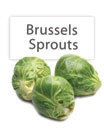
We may be in the depths of winter explained Jack Ward of British Growers, but brassica production should be in full swing. This is prime season for cauliflowers, savoy cabbages, kale, spring greens and Brussel sprouts. These are classic winter crops providing our staple vegetables during the winter months.

At a recent meeting, UK Brassica growers compared notes on the impact of the weather on their crops and the toll which 2019 and the first half of 2020 has and is likely to continue having on production. In the short-term crops like cauliflower, kale and Savoy cabbage are in reasonable supply but poor growing conditions in the autumn mean that these crops will start to run short in February and March. Excessive rain has depressed yield and increased disease levels and across the board and production levels are down dramatically.

And the bad news continues. Late cauliflowers due for harvest in April and May will be affected and are likely to be in short supply. And a similar picture is emerging for spring greens which fill the traditional hungry gap from April through to June. Some fields in Lincolnshire have wet patches where crops have died out as they struggle to survive, this will continue to affect crop yields up until the new season starts in June.

Grower confidence and a willingness to continue investing has been badly hit by two consecutive seasons of difficult conditions. Production costs have continuously outstripped returns and loss-making brassica crops are forcing growers to ask difficult questions about the future. Brassicas areas are declining with growers looking to lower risk cereal crops as a safer and more profitable alternative. There needs to be an urgent review around the sustainability of grower returns and the level of return required to invest effectively for the future. Lines, likes broccoli which demand high levels of labour input in the packaging process are especially vulnerable to increasing costs and in adequate returns.

There is a cruel irony here explained Jack Ward. As we embrace the importance of vegetables in the diet and recognise the need to increase our consumption of vegetables and fruit, our brassica growers are contemplating exit strategies rather than increased future investment.

We need to rethink the supply model for vegetables. While cheap vegetables may look like an attractive proposition, some of the current pricing models fall well short of allowing growers to meet the true costs of production. Ultimately this is eroding our supply based and productive capacity. This is not where we want or need to be as we move into a brave new post Brexit economy.


Love Your Greens, Brassica Growers’ Association

BGA House, Nottingham Road, Louth, Lincolnshire, LN11 0WB

telephone:   01507 353791 fax: 01507 600689

email: jack.ward@britishgrowers.org website:www.loveyourgreens.co.uk

Covent Garden Market Authority Team – DEFRA

By Industry News

Non-Executive Board Members Application

Covent Garden Market Authority Team (CGMA) at DEFRA are currently recruiting non-executive board members. The CGMA is a public statutory corporation that runs the UK’s largest wholesale fruit, vegetable and cut flower market in the UK. Located at Nine Elms in Vauxhall, the market is currently being rebuilt to create a brand new world class facility that will be at the heart of a vibrant new Food Quarter for London.

The CGMA Board provides leadership and strategic vision as the organisation focusses on the successful delivery of this exciting redevelopment project.

The campaign is now open with a closing date of 10th February 2020 at 12:00. Applications are to be made through the Cabinet Office Public Appointments website:

Covent Garden Market Authority -Non-Executive Directors


LSA Charitable Trust Fellowship Scheme- Meet the 2020 Fellows

By Industry News

2020 Fellows

“On behalf of the LSA Trustees I am pleased to welcome 6 impressive individuals to the Scheme. Going into it’s second year, the Fellowship is growing from strength to strength. Alongside the 2019 cohort, they will make a truly exciting group of horticultural advocates”

Martin Emmett, LSA Charitable Trust

The LSA Charitable Trust Fellowship Scheme is pleased to introduce the 2020 cohort:

Virginia Aurora Colquhoun Gonzalez

Grower Supervisor, Allensmore Nurseries.

Virginia studied horticulture and forestry in Spain where she grew up and has been involved in the industry for most of her working life, beginning with fighting fires in the Spanish forest. She finished her studies in 2011 and decided to move back to the UK in 2013 to work in commercial horticulture. Virginia recently joined Allensmore Nurseries in Hereford as a Supervisor. Prior to this she worked at Wyeplants, Lincolnshire for 3 years. Depending on the time of year she can be found putting together rotas for feeding, spraying, monitoring the health of the ornamental plants, and supervising staff.

“I hope the scheme lets me understand better how the industry works as a whole, to allow me to keep learning of new techniques and technologies. I wish to meet new people, but also to allow me to catch up with more familiar faces in the horticulture trade. My view long term is to be able to help the industry move forward, adapting to changes but also be the change when necessary. To help inspire young people to join us and make them see it can be a highly rewarding industry. All this while aiming for a personal successful career in which I am excited to see where it can take me!”

Follow her


Rebecca Smith

Technical Manager, Valley Produce.

Rebecca is currently Technical Manager at Valley Produce; a herb and Chinese brassica grower and packer in Berkshire. She has been with Valley Produce for 6 years, the first two as part of a Knowledge Transfer Partnership (KTP) project with the University of Reading developing products from herb waste. Rebecca’s’ day to day responsibilities include: food safety, quality, legality, integrity and compliance with industry and retailer standards.

Prior to working at Valley Produce, Rebecca did a PhD at the University of Nottingham investigating genetic and biochemical traits associated with frozen fruit properties.

“The Fellowship will give me a wider view of the industry through interaction with other Fellows, businesses and organisations and widen the network of people I can call upon for discussion and advice on issues relevant to my company and career. I also hope to gain a better understanding of how the industry trade bodies function, and how each body communicates with each other, the growers and the Government to draw down funding and influence policy to help businesses in the sector”


George Boreham

Breeding Nursery Manager, Edward Vinson

George is the Breeding Nursery Manager at Edward Vinson, he has been in the role for 1 year and 6 months. He is responsible for managing the glasshouse: from seeds to seedlings, to ensuring the plants leave in a healthy condition

George studied Plant Science at Canterbury Christ Church University. During his studies he worked for Driscolls and FAST (Fruit Advisory Service Team), where he gained a valuable insight into the soft fruit industry, helping his passion for plants, develop. “There is huge potential to expand new varieties into foreign soils and I’d love to be at the forefront of this one day.”

“As a new manager at my company I believe the Fellowship would give me a boost of confidence alongside establishing valuable friendships and contacts in the industry. I believe my current knowledge, ideas on future policy and self-motivation would be an asset to the Fellowship scheme and the cohorts. There will be a vast number of people in the industry I can connect with and share ideas with. It will be a great chance to gain knowledge and by doing so an opportunity to then transfer that to my own place of work at Edward Vinson and my future career in horticulture.”


Vicky Smith

Technical Manager, Glinwell Plc

Vicky works as a Technical Manager at Glinwell plc, a growing and packing business, focusing on the production of both organic and conventional protected edibles. She has been in the role since September 2019 and her role centres around providing support and guidance to our growers on compliance and assurance.

Prior to working at Glinwell Vicky was a Technical Manager at Red Tractor Farm Assurance, responsible for managing both the Combinable Crops & Fresh Produce standards. Through this role she became interested in the horticulture sector.

“I believe that taking part in the Fellowship scheme will be beneficial for a number of reasons but fundamentally I believe that it will widen my understanding of the sector, enable me to meet and make useful contacts and help to equip me with the skills needed for a future in the industry. Having the opportunity to gain knowledge from industry leaders and organisations will be of great benefit and enable me to gain understanding of current and future research and challenges within both the protected edible sector and the horticulture industry as a whole.”


Richard Nuttall

Crop Protection Manager, Viking Nurseries

Richard studied Countryside Management at Easton College in 2003. After which he worked as a greenkeeper for 4 years, increasing his skills by studying an NVQ 2 in Turf Management, PA1 & PA6A.

He began working for Viking Nurseries in 2009 initially to assist dispatch, then as a General Manager. In 2013 he completed the RHS Level 2 in Horticulture and an NVQ 3 in Production Horticulture. Richard moved to Norway to work for Viking’s parent company Fritzøe Planteskole, learning about the production of roses and outdoor shrubs, controlling pests and diseases. In July 2018 Richard moved back to the UK and became the Crop Protection Manager for Viking Nurseries. His day to day tasks include: irrigation and nutritional crop assessment and R&D.

“I think the Fellowship scheme will help me understand my interests at a higher level, develop my knowledge regarding the leadership of the industry, how trade bodies work together and current research. It will also give me the opportunity to share my knowledge with other likeminded people and in turn, learn from them. “

Follow Richard @RichardNuttal17


Valeria Kiss

Trainee Growing Manager, APS Produce Ltd

Valeria has been a trainee Growing Manager at APS Produce Ltd for 3 years. She originally started in the company as crop worker, pest and disease scout and grower’s assistant.

Her current role is to deliver top quality tomatoes to all of her customers throughout the season. Her responsibilities include: looking after glasshouse heating and ventilation strategies, watering strategies, monitoring the climate day to day, and pest and disease limitation.

“With the Fellowship Scheme I would like to take the opportunity to learn, also meet other people within horticulture industry to share our experience and knowledge. The chance to attend on conferences and to meet well experienced seniors could only improve my knowledge and future career…The Fellowship Scheme I think is a right direction towards this and hopefully the program will bring enthusiastic young growers together to maintain a competitive future for British horticulture.”

Follow Valeria @ValeriaKiss5


For more information visit the website 

The LSA CT Fellowship Scheme is kindly supported by:

Chartered Institute of Horticulture, Nation Farmers Unions, British Growers, Agriculture & Horticulture Development Board, Horticultural Trades Association


Brassica Growers Association- The Challenges for 2020

By Industry News

6th January 2020


The challenges for 2020

Step out into the high street at the start of 2020 and almost every shop front is emblazoned with sale details offering consumers ever more tempting discounts. But contrast this with the growing number of high streets where empty shop fronts and ‘to let’ signs are increasingly becoming the norm, and this might suggest that the continuous use of sales and price promotion is not a route to salvation.

From time to time we need to pause and reflect on how this relentless driving down of price is achieved. The margins for many commodity food suppliers are notoriously slim and yet year after year production costs continue to rise. The recent increase in the minimum wage is a good case in point. In their manifesto the Conservatives pledged to address the problem of low wages. No one would argue against the opportunity to earn enough to afford a decent standard of living. In April the living wage increases by 6.2%. For many fresh produces businesses where employment costs represent 30% or more of total production costs, finding this extra cash represents a big challenge.

One of the serious shortcomings of our current political system – and not just here in the UK, is the increasing trend of not explaining that for every upside there is usually a downside. Spending commitments must be paid for either through higher taxation or in the case of businesses through the increased costs of goods. Yes, improvements in productivity and efficiency have a part to play in mitigating increased costs, but that argument cannot be applied all the time

Loveyourgreeens.co.uk